In an era when power was increasingly dominating women’s tennis, Justine Henin carved out greatness with elegance, precision, and one of the most technically admired shots the sport has ever seen. Her one-handed backhand was not just a stylistic exception in a two-handed world; it became a weapon so complete that it helped her rule the women’s game at its most competitive moment. Understanding Henin’s legacy means understanding how artistry, intelligence, and relentless work ethic can rival raw strength.
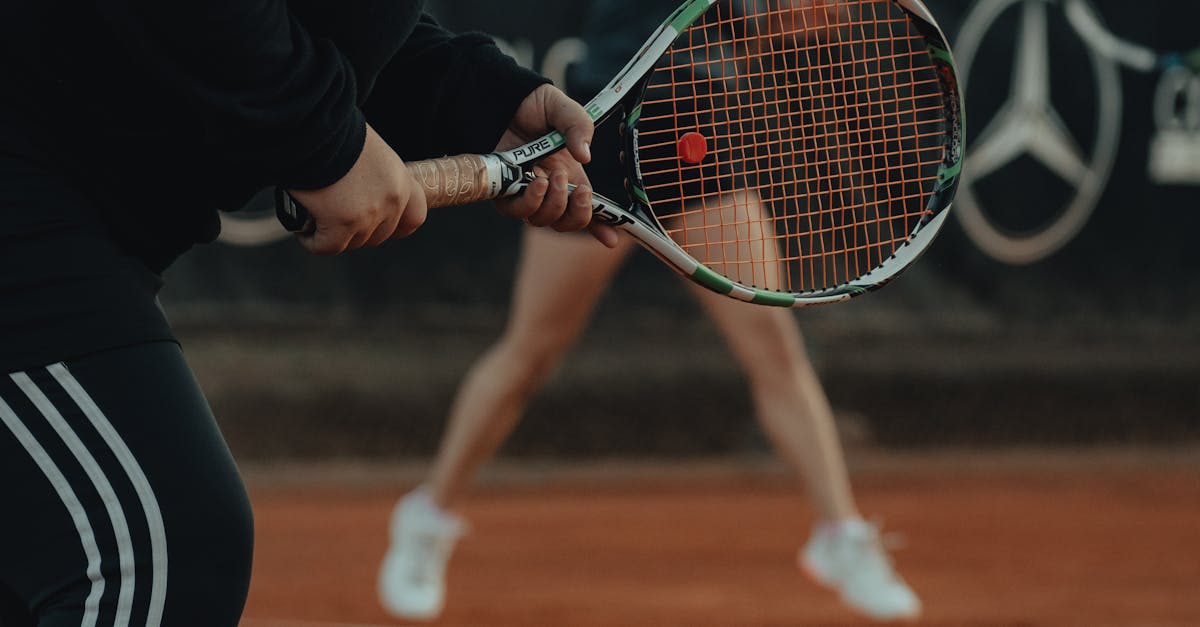
Henin emerged in the late 1990s, a time when women’s tennis was rapidly evolving toward explosive baseline power. Taller, stronger players were hitting flatter, harder, and with less margin. At first glance, Henin seemed ill-suited for this shift. She was relatively small, lightly built, and lacked the overwhelming serve that many of her rivals relied on. What she possessed instead was extraordinary technique. Her one-handed backhand, rare even then in the women’s game, combined flawless footwork, early preparation, and exquisite timing. It allowed her to generate pace, spin, and angles without overhitting, turning defense into offense in a single fluid motion.
What made that backhand truly dominant was its versatility. Henin could drive it flat down the line, roll it crosscourt with heavy topspin, or carve it into a biting slice that stayed low and disrupted rhythm. Unlike many one-handers, hers never looked vulnerable under pressure. Against heavy topspin or high balls, she adjusted her spacing and footwork rather than abandoning the shot. This technical completeness meant opponents could not simply target her backhand as a weakness; instead, it often became the rally-ending strike.
Her mastery of the backhand was inseparable from her overall tennis intelligence. Henin read the game exceptionally well, constructing points several shots ahead. She mixed spins, changed tempo, and used angles to pull opponents out of position before finishing with precision. This made her especially lethal on clay, where patience and variation matter as much as power. Her dominance at French Open, where she won four titles, showcased how her backhand could dictate play even on the slowest surface.
Another easily forgotten aspect of Henin’s success was her mental toughness. Despite her graceful style, she competed with fierce intensity. She thrived in long rallies, embraced tactical battles, and rarely lost emotional control on court. This psychological strength allowed her to stand toe-to-toe with physically imposing rivals such as Serena Williams, often beating them by exploiting movement, timing, and placement rather than sheer force. When Henin was at her peak, she proved that power could be neutralized by clarity of purpose and technical excellence.
Henin’s career was also marked by an unusual relationship with the sport itself. She famously retired while still ranked world number one, citing burnout and the emotional demands of elite competition. That decision, shocking at the time, reinforced the sense that her greatness was never about chasing records alone. Even after returning briefly to competition, her legacy was already secure: she had shown that beauty and effectiveness could coexist at the highest level.
Today, Justine Henin’s one-handed backhand remains a reference point for players, coaches, and fans. In a modern women’s game still dominated by power and two-handed stability, her success stands as a reminder that tennis allows multiple paths to excellence. Through technical purity, tactical intelligence, and unwavering belief in her style, Henin didn’t just survive an era of power tennis — she ruled it, one perfectly struck backhand at a time.