Few names in endurance sports evoke such awe and admiration as Kilian Jornet. To many, he isn’t just an elite athlete; he is a phenomenon — someone who has reshaped what the world believes is possible in ultra-running, mountain racing, and human performance. Jornet’s journey from a child running in the Pyrenees to a global icon of endurance is a story of passion, resilience, and a relentless pursuit of challenge.
Born in 1987 in Norway to Catalan parents but raised in the small mountain town of Sabadell, Spain, Kilian’s relationship with the mountains began at a very young age. His parents ran a mountain hut and ski resort in the Pyrenees, and from the start, Kilian’s playground was high trails and rugged peaks. This early immersion in mountainous terrain forged not just physical strength but an intrinsic comfort in extreme environments — a psychological edge that would define his career. His youth was not marked by structured training plans and coaches, but rather by instinctive movement in nature: running, skiing, climbing, and exploring.
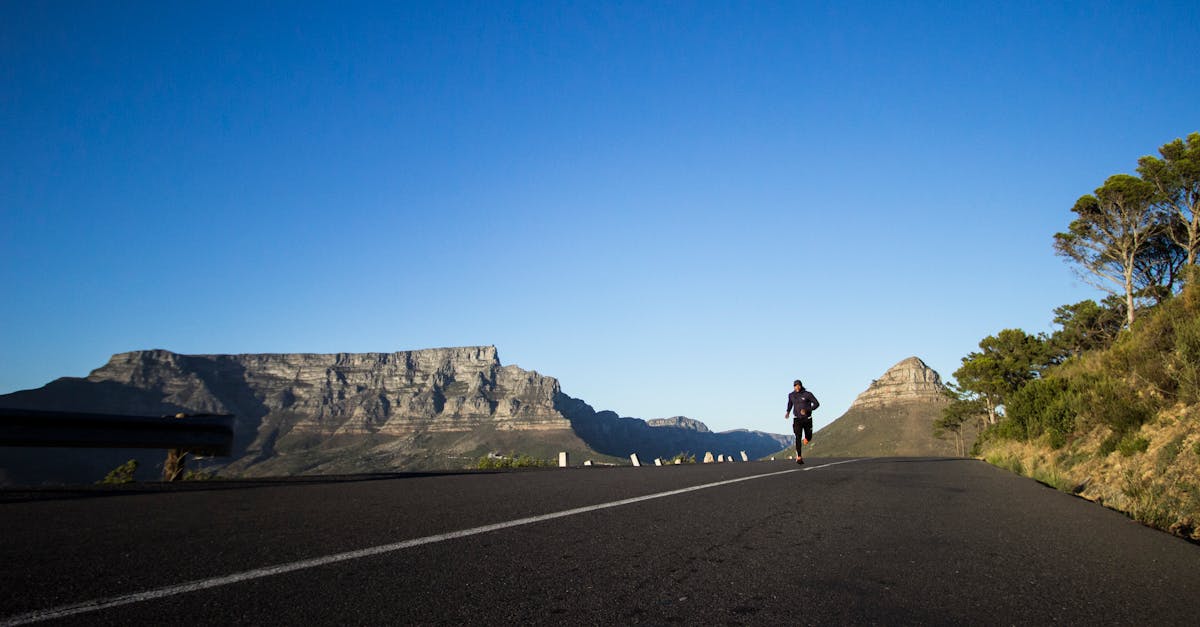
Jornet entered the competitive scene in his late teens and quickly made a name for himself. What set him apart was not just his speed, but the fluidity and ease with which he navigated the most daunting landscapes. In events like the Ultra-Trail du Mont-Blanc — widely considered one of the most grueling ultramarathons in the world — Jornet didn’t just compete; he dominated, often winning with significant margins. But his list of achievements isn’t about trophies alone; it’s about the manner in which he earned them. Jornet’s runs often looked effortless, his pace steady even in the steepest ascents, his descents controlled yet swift. Fans and fellow athletes alike began to whisper that he redefined the sport itself.
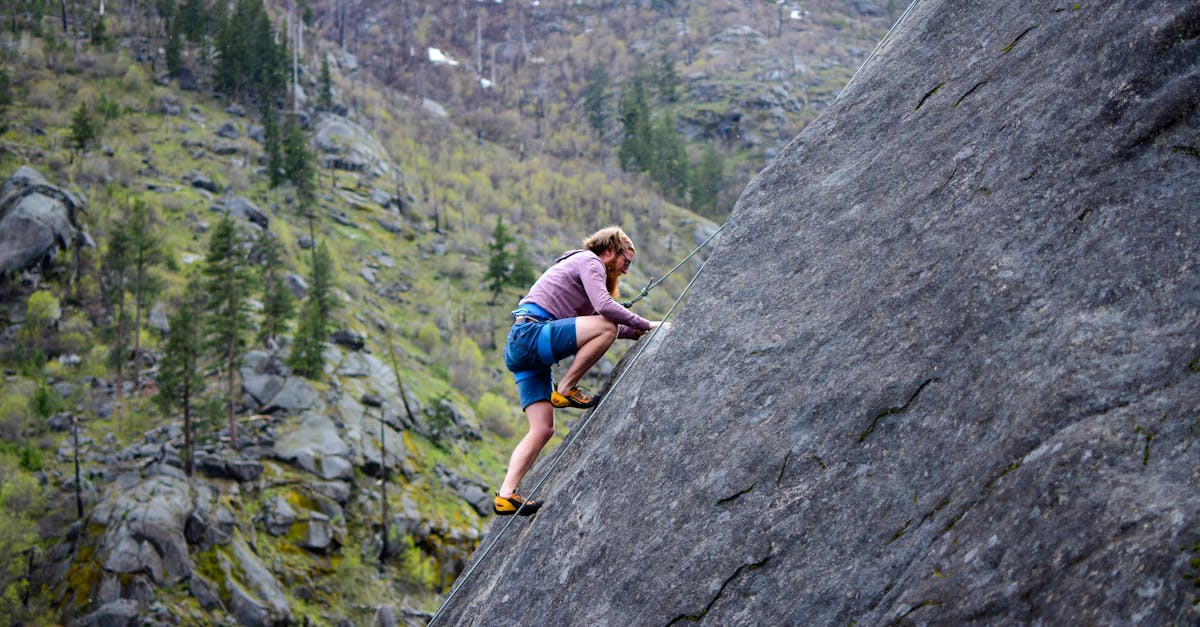
One of the moments that most encapsulates Jornet’s ethos is his Summits of My Life project. Rather than focusing solely on races, he pursued a deeply personal mission: to set speed records on some of the world’s most iconic mountains. He climbed and descended Mont Blanc, the Matterhorn, Denali, and most notably Mount Everest — twice in one week without the use of supplemental oxygen. These were not timed races but self-paced assaults against geography and altitude, done in near-record times. The Everest feat, in particular, shattered previous conceptions of what was humanly possible at extreme altitude.
What makes these achievements even more remarkable is Jornet’s philosophy toward training and performance. He rejects highly mechanized or overly scientific approaches, favoring instead what he calls “feeling” — listening to one’s body, respecting its rhythms and limitations, and developing strength through consistency rather than intensity alone. His training is defined by mountain hours: long, slow climbs with a focus on technical skill rather than just cardiovascular conditioning. To many traditional coaches, this might seem counterintuitive, but Jornet’s results speak louder than theory.
Jornet’s influence extends far beyond his race results. Through his books, talks, and social media presence, he has inspired a generation of runners and outdoor enthusiasts to look beyond competition and toward personal exploration. His writing isn’t about glory; it’s about connection to the natural world, humility in the face of adversity, and the joy of movement. In a time when performance metrics and wearable tech dominate athletic culture, Jornet’s message — that intuition and love for the sport are paramount — resonates powerfully.
Yet, he has also faced criticism. Some in the mountaineering community have questioned the safety of his solo or fast-ascent approaches, especially at high altitude. Others debate the environmental impact of increased trail traffic driven by his popularity. Jornet himself has acknowledged these concerns, emphasizing responsible outdoor ethics and environmental stewardship in his public discourse. He consistently advocates for minimal impact, urging others to respect the ecosystems they traverse.
Kilian Jornet’s legacy is still unfolding, but already it is unmistakable. He has not only rewritten record books but expanded the mental boundaries of what athletes believe they can achieve. He bridges the worlds of competitive sport and experiential mountain culture, reminding us that endurance is as much about heart and presence as it is about physical capability. For those who follow him — whether professional runners, weekend hikers, or dreamers untouched by competition — Jornet’s story is an invitation: to explore farther, push a little harder, and find joy in every step.