When discussions turn to the rise of women’s mixed martial arts, one name inevitably stands at the center: Ronda Rousey. Long before women headlined UFC events or head-to-head rivalries became global spectacles, Rousey altered how the sport was perceived, practiced, and promoted. What truly set her apart was not simply dominance or charisma, but the way she translated the principles of judo into an MMA environment that had rarely seen such technical purity succeed at the highest level.
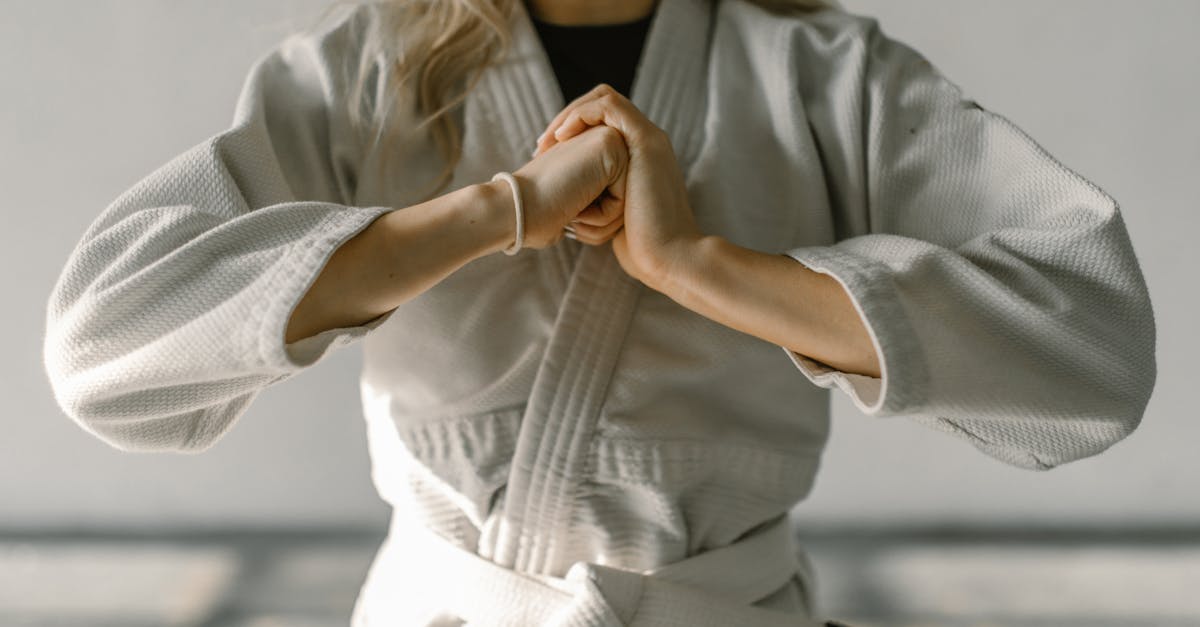
Rousey’s background was deeply rooted in judo from childhood, shaped by her mother AnnMaria De Mars, a world champion and respected coach. Unlike many early MMA fighters who came from wrestling or striking disciplines, Rousey entered the cage with an Olympic judoka’s mindset. Her bronze medal at the 2008 Beijing Olympics already made her one of the most accomplished female combat athletes in American history, but MMA offered a stage where judo had largely been considered impractical. Throws were thought risky, grips unreliable without a gi, and clinch work secondary to wrestling control. Rousey dismantled all of those assumptions.
From her first professional fights, it became clear that her judo was not adapted to MMA—it was redefining MMA itself. She used balance, timing, and off-center movement to turn opponents’ aggression into instant takedowns. Hip throws, trips, and clinch tosses flowed naturally into dominant ground positions. Once there, her signature armbar became inevitable. What made this especially striking was speed: many of her early UFC bouts ended in under a minute, creating an aura of inevitability that the sport had rarely seen, regardless of gender.
This technical dominance had broader implications. Before Rousey, women’s MMA struggled for mainstream legitimacy, often relegated to niche promotions. Her success forced a reevaluation. She was not presented as a novelty but as a destroyer of opponents, headlining cards and drawing pay-per-view numbers comparable to established male champions. Her judo-based style offered visual clarity: casual viewers could instantly understand that something different, almost surgical, was happening inside the cage.
Another easily overlooked aspect of Rousey’s impact was how she shifted training priorities for female fighters. Gyms began placing greater emphasis on clinch fighting, grip control, and submission chains rather than relying solely on striking exchanges. Young fighters saw that a grappling-first approach could not only succeed but dominate. Even opponents preparing specifically for her armbar found themselves overwhelmed by the transitions leading up to it, a testament to the depth of her judo fundamentals rather than reliance on a single move.
Rousey also changed how aggression was expressed in women’s MMA. Her style was relentless but efficient, rooted in control rather than chaos. This challenged stereotypes that women’s fights needed to be framed as technical exhibitions rather than high-stakes combat. She brought an intensity that matched, and sometimes exceeded, her male counterparts, helping erase artificial distinctions in how fighters were marketed and respected.
Though her later career exposed the limits of specialization in a rapidly evolving sport, Rousey’s legacy remains untouchable. She proved that judo was not obsolete in MMA—it simply needed the right athlete to unlock its potential. More importantly, she demonstrated that women’s MMA could produce transcendent stars whose influence reshaped the sport’s technical and cultural foundations.
In the end, Ronda Rousey did more than win titles. She transformed women’s MMA by showing that mastery, not conformity, drives evolution—and that a centuries-old martial art could still rewrite modern combat sports history.